When most people think of a pedicure, the first image that comes to mind is often cosmetic: freshly polished toenails, neatly trimmed cuticles, and sandal-ready feet for the summer season. Because of this widespread perception, foot care is frequently dismissed as a luxury or an occasional indulgence reserved for special occasions. However, restricting your view of a pedicure to mere aesthetics overlooks its profound role in physical health and mental well-being.
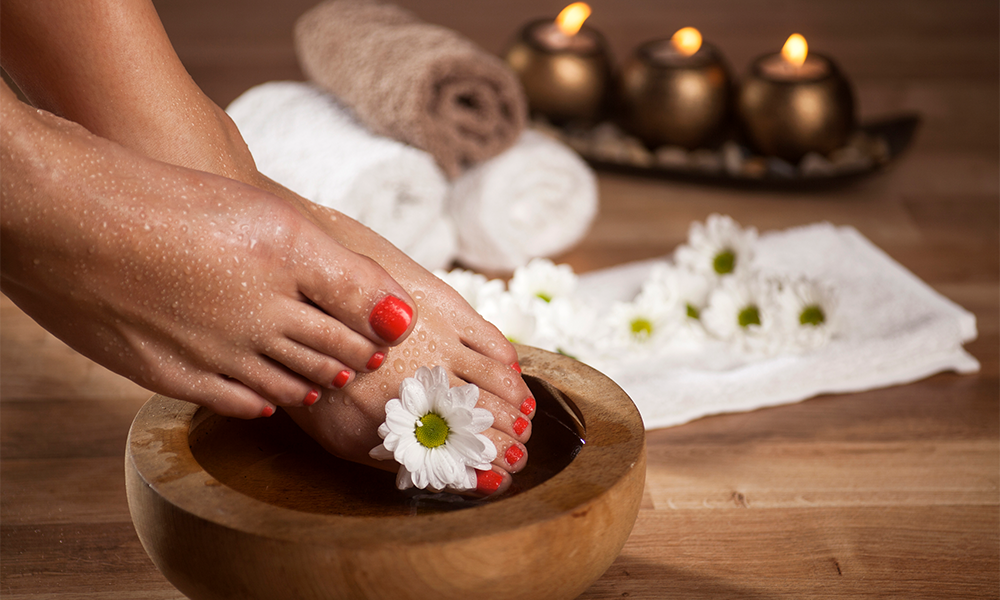
Our feet bear the full weight of our bodies daily, enduring thousands of steps, restrictive footwear, and constant friction. Over time, neglecting this foundation can lead to physical discomfort, skin breakdown, and mobility issues. Incorporating regular foot maintenance into your wellness routine offers therapeutic advantages that extend far above the ankles. Here is an in-depth look at six surprising benefits of getting a pedicure that go well beyond pretty polish.
1. Effective Infection Prevention and Early Detection
One of the most significant health advantages of a professional pedicure is its defensive role against infections.Our feet spend hours enclosed in socks and shoes, creating a dark, humid environment where bacteria and fungi thrive. Without meticulous care, small issues like microscopic skin tears or poorly cut toenails can quickly develop into painful conditions such as athlete’s foot, fungal nail infections, or ingrown toenails.
During a pedicure, your feet undergo deep cleansing, sanitization, and specialized nail trimming.Trimming toenails straight across and at the correct length prevents them from growing into the surrounding skin, stopping painful ingrown nails before they start.Furthermore, because experienced technicians observe hundreds of feet, they are adept at identifying early signs of fungal growth, skin discoloration, or unusual moles that you might easily miss.Catching these abnormalities in their early stages allows for prompt medical evaluation and treatment before they turn into severe problems.
2. Advanced Callus Management and Skin Barrier Protection
Calluses and corns are hyperkeratotic layers of skin formed as a natural defense mechanism against continuous friction and pressure.While a thin layer of hardened skin is normal, excessive callus build-up causes uneven weight distribution when you walk.Left unmanaged, severe calluses dry out, lose flexibility, and crack—forming deep fissures that can bleed and serve as open entry points for harmful pathogens.
A pedicure systematically resolves this issue through targeted exfoliation and deep hydration.Soaking the feet softens tough skin, making it easier for technicians to safely reduce excess calluses using specialized filing tools or pumice stones.Following exfoliation, high-grade moisturizers or paraffin wax treatments are applied to lock in hydration.This process restores elasticity to the skin barrier, prevents painful cracking, and ensures your feet remain smooth and functional.
3. Enhanced Blood Circulation and Lower Extremity Relief
Poor circulation in the lower extremities is a widespread issue, particularly for individuals who spend long hours sitting at a desk or standing on hard surfaces. Cold toes, persistent aching, and swelling in the ankles are often signs of sluggish blood flow.
A core component of every thorough pedicure is lower leg and foot manipulation through therapeutic massage. The mechanical action of massaging the feet and calves dilates blood vessels, encouraging oxygen-rich blood to circulate efficiently throughout the lower limbs.Improved blood circulation delivers essential nutrients to skin and muscle tissues while facilitating the drainage of metabolic waste and excess fluid.Over time, this alleviates muscle stiffness, reduces systemic swelling, and restores vitality to tired feet.
4. Promotion of Joint Mobility and Postural Alignment
The human foot contains 26 bones, 33 joints, and over a hundred muscles, tendons, and ligaments. These intricate structures work in harmony to absorb shock and balance your entire body. When feet are stiff, covered in painful calluses, or suffering from joint tension, your natural gait shifts to compensate for the discomfort. This altered walking pattern places unnatural stress on your knees, hips, and lower back, often leading to secondary musculoskeletal pain.
The gentle stretching, joint manipulation, and foot movement performed during a pedicure help retain flexibility in the small joints of the toes and ankles. By removing painful pressure points and relaxing tight foot muscles, pedicures allow you to step evenly and naturally. Proper weight distribution reduces joint strain up the entire kinetic chain, contributing to better overall posture and painless movement during daily activities.
5. Psychological Stress Relief and Nervous System Regulation
Modern life subjects many of us to chronic psychological stress, keeping our autonomic nervous systems in a constant state of hyper-arousal. Unwinding requires deliberate pauses, and a pedicure provides an ideal sensory environment to force your body to reset.
The human foot contains thousands of nerve endings, making it exceptionally responsive to touch. Warm water immersion combined with rhythmic massage stimulates the parasympathetic nervous system—the body’s “rest and digest” mechanism. Studies show that focused foot massage measurably lowers cortisol (the primary stress hormone) while releasing endorphins. This shift slows the heart rate, eases anxiety, and produces a profound sense of mental tranquility that lasts long after the session ends.
6. Long-Term Nail Integrity and Strength
Brittle, peeling, or splitting toenails are frequently caused by improper maintenance, moisture imbalance, or the buildup of dead cellular material under the nail bed. Neglecting nail beds can lead to premature structural weakness or permanent damage to the matrix where new nail growth occurs.
Regular pedicures directly address nail health by cleaning out debris trapped under the free edge and gently pushing back overgrown cuticles that hinder healthy growth. Buffing the surface of the nail removes rough ridges and stimulates blood flow directly to the nail bed, delivering the nutrients required to produce stronger, thicker nail plates. Additionally, professional shaping reduces the risk of accidental snagging or painful tears, ensuring that nails grow out resilient and uniform.
Conclusion
Viewing a pedicure purely as a beauty treatment does a disservice to its extensive physical and mental rewards. From preventing bacterial and fungal infections to managing calluses, boosting lower-body circulation, and promoting nervous system recovery, regular foot care serves as a vital component of holistic preventative health.
By committing to a regular pedicure routine every four to six weeks, you give your feet the structural support and hydration they need to carry you comfortably through life. Whether you seek a qualified nail technician or dedicate time to a meticulous care ritual at home, taking care of your feet is one of the most practical investments you can make in your overall health, mobility, and peace of mind.